
"coffee growing in Central America"
2000 article(s) found
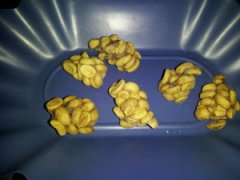
Description of coffee bean flavor introduction to the taste of famous Central American coffee
GuatemalaLaJoyaEstate-Antigua Gem Manor Coffee GuatemalaLaJoyaEstate Central American countries: Guatemala producing areas: Antigua flavor: Antigua Gem Manor, Antigua (Antigua) is a volcanic island located in the southwest of Guatemala, three volcanoes are located in which the island is rich in volcanic soil, coupled with low temperature, low humidity and adequate sun environment at night

Defense of Coffee in Central America: searching for Super genes to Save Wild Coffee
In March, about 20 people, including the world's top coffee researchers, gathered at the Centre for Tropical Agricultural Research and higher Education (CATIE) in Turialva, Costa Rica, to discuss the uncertain future of coffee, the world's most popular beverage crop, in Central America. The theme of the seminar was a very harmful agricultural disease: coffee rust in local Spanish.

Introduction to coffee production in Honduras, a high mountain country located in northern Central America
Honduras 'high-quality coffee uses water washing to treat coffee beans, usually after soaking, in the soaking time, defective fruit will surface, can be discarded first. The good fruit is then placed in a fruit peeler and peeled off by the rotating force of the machine. The peeled fruits are screened by machines to select excellent quality fruits. usually larger fruit

Talking about the Regional Flavor of Coffee in Central America-- Honduras, where the annual output of coffee is amazing.
Communication of professional baristas Please pay attention to Coffee Workshop (Wechat official account cafe_style) Honduras is currently the sixth largest coffee producer in the world and the first largest coffee producer in Central America. Almost everyone is a coffee farmer, and now we have to owe such a huge output to the strong support of the Hongguo government. About a decade ago, coffee production in Honduras was not high.
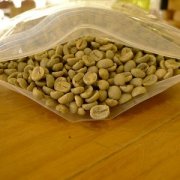
Tarasu coffee beans from Central America and Costa Rica, one of the major coffee producers in the world.
Costa Rican Coffee (Costarica Coffee): Costa Rican coffee is produced in the Republic of Costa Rica (The Republic of Coffee) in southern Central America. Its coffee quality is similar to Colombian coffee and is suitable for blending mixed coffee. The coffee beans produced in the high latitudes of Costa Rica are famous, rich and flavored in the world.

Introduction to Coffee Flavor characteristics of Monte Carmela (Monti Camilla Manor) in Costa Rica
Costa Rica Monte Carmela (Monti Camilla Manor) Honey Costa rica is located in Central America, bordering Nicaragua in the north and Panama in the south. Seven countries in Central America (Belize / Costa Rica / El Salvador / Guatemala / Honduras / Nicaragua / Panama) are coffee producers, of which Guatemala / Costa Rica / Honduras / Honduras is the front of the global coffee exporters.

Introduction of Santa Barara Manor, a coffee farm in Honduras located in the north of Central America
Medium or shallow acidity, giving the impression of obvious but not strong. Sometimes it has a beautiful floral or fruity aroma (generally speaking, beans produced in different regions and at different elevations have different performances). It is not at all associated with the unrest of the country. Bitterness and obvious sweetness. The overall taste of Honduran coffee is balanced, sour and bitter are not so strong, between the two

Origin, Development, History and Culture of Fine Coffee beans in Nicaragua, Los Congo Manor in Central America
Although it's not as obvious as Kenyan coffee, it doesn't matter if it feels gentle and gentle. Many people who have tasted Nicaraguan coffee will think that this kind of coffee is no different from El Salvador or Honduras coffee. In fact, each kind of coffee has its own characteristics, and each kind of coffee has its own noteworthy places. The development of Nicaraguan coffee industry is really not easy.

Characteristics of Guatemalan coffee beans in different producing areas Coffee bean flavor in each producing area of Guatemala
For the exchange of professional baristas, please follow the Coffee Workshop (official Wechat account cafe_style). There are seven countries in Central America, namely, Belize, Costa Rica, El Salvador, Guatemala, Honduras, Nicaragua and Panama. All seven countries in Central America produce coffee, among which Guatemala, Costa Rica and Honduras are global coffee exporters.

Introduction to the characteristics and Flavor of Honduras Coffee Bean producing area in Central America
Honduras: special highland coffee flavor and taste characteristics: good flavor, rich and mellow, suitable for mixed drinking. Honduras is located in the north of Central America, facing the Caribbean Sea to the north, the Gulf of Fonseca in the Pacific Ocean to the south, Nicaragua and El Salvador to the east and south, and Guatemala to the west, mostly mountains and plateaus. It has a tropical climate, mild temperature, abundant rainfall, and is a coffee producer.

Introduction to the characteristics of coffee price and flavor in which countries in Central America produce coffee
The most sensible and practical way to understand coffee-producing countries is to classify them into the world's three major coffee growing regions: Africa, Indonesia and Central and South America. Generally speaking, coffee grown in the vicinity has similar characteristics. If a particular bean is out of stock, the manufacturer and buyer of the comprehensive product will usually look for a nearby country. People who make comprehensive products will say: I think

The difference between Kaduai and Pacamara the difference between Kaduai and elephant beans
Professional coffee knowledge exchange more coffee bean information please follow coffee workshop (Wechat official account cafe_style) Catuai, Mundo Novo and Pacamara: common coffee varieties in America South and Central America are rich in Typica and Bourbon, thanks to a long history of growing coffee, a relatively stable government and heavy investment in the coffee growing industry
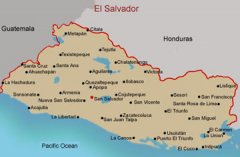
Advantages of growing Coffee in El Salvador International Coffee Trade Export Volume and Development Strategy
When it comes to El Salvador, no one must have any impression. What is the story behind such a mediocre and even some backward country with excellent coffee beans? Today, let's go to Li, oh, Sister. The Republic of Wadow is located in Central America, opposite Guardia and Honduras in the north, and the Pacific coast is bounded by the west and south. Yes

Introduction to the appearance characteristics of Honduran coffee beans, the back coffee producing place in Central America.
High-quality coffee in Honduras uses water washing to deal with coffee beans, usually after soaking, when the defective fruit will surface, it can be discarded first. Then put the good fruit into the fruit peeling machine and peel off the peel with the rotating force of the machine. Peeled fruits are screened by machines to select fruits of high quality. Usually the bigger the fruit.

Boutique single coffee beans Central America Honduras coffee beans
Honduras Coffee introduces that Honduras is located in the north of Central America, facing the Caribbean Sea to the north, the Gulf of Fonseca in the Pacific Ocean to the south, Nicaragua and El Salvador to the east and south, and Guatemala to the west, mostly mountains and plateaus. It has a tropical climate, mild temperature and abundant rainfall, so it is an ideal place for coffee growth. Honduras produces two kinds of coffee of very good quality.
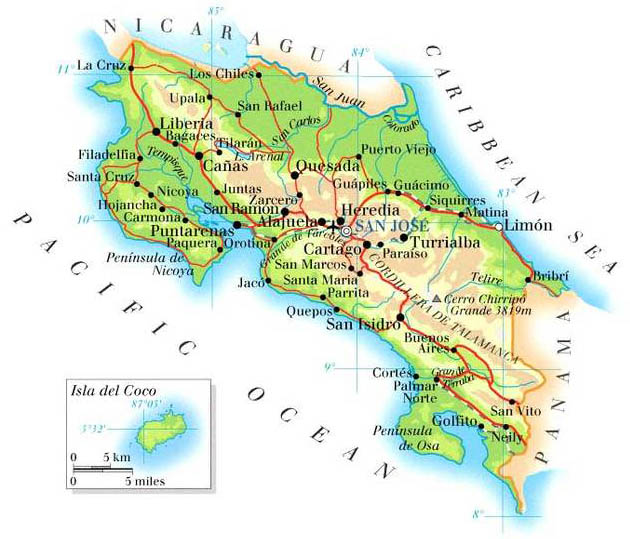
A big country of fine coffee in the south of Central America-- an introduction to the origin of Central American coffee in Costa Rica.
Guide to Caxiang: I haven't told you about the country where coffee is produced for a long time. Let's take a look at the coffee cultivation in Costa Rica today. The editor has something to say: Costa Rica first entered the editor's eyes when he did not know which year's World Cup, Costa Rica played against China, and then. China lost. Costa Rican coffee cultivation was introduced from Cuba in 1779 and only in 1820.
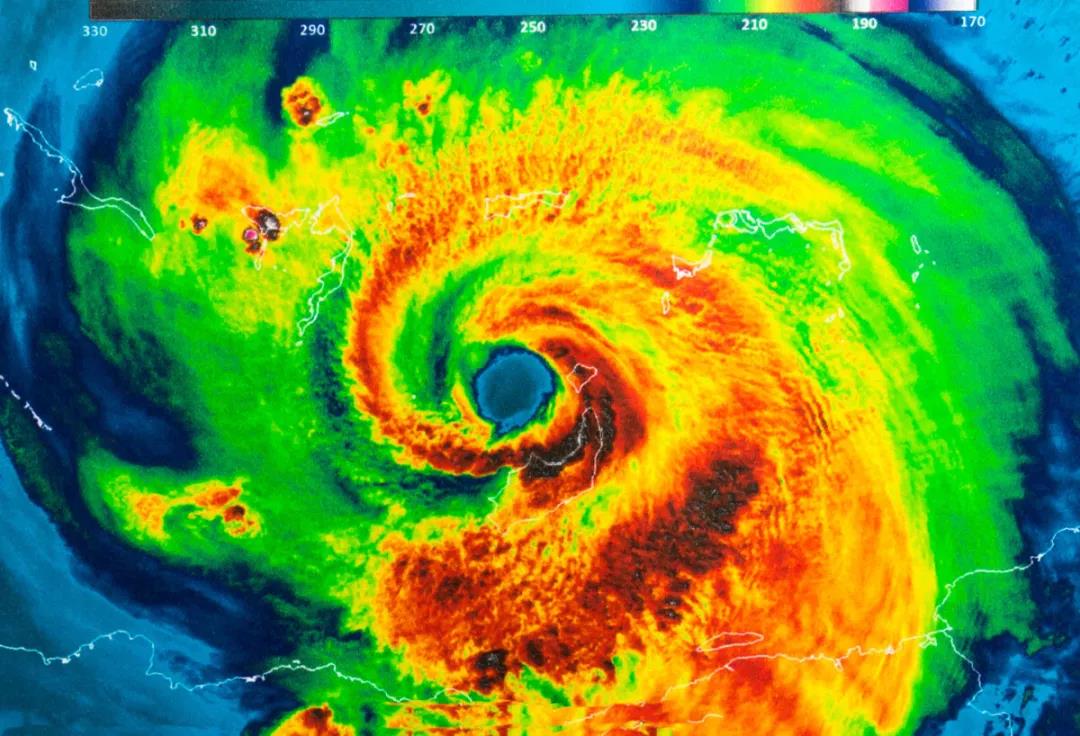
The hurricane hit the Central American producing area and reduced the production of coffee beans in many countries in Central America to varying degrees.
Professional coffee knowledge exchange more coffee bean information please follow the coffee workshop (Wechat official account cafe_style) on November 3, 2020, Category 4 Hurricane ETA (later downgraded to a tropical storm) made landfall in Central America. The hurricane caused varying degrees of losses in Nicaragua, Guatemala, Honduras, El Salvador and Panama, as well as Costa Rica, Mexico and Jamaica.

Yega snow caffeine was a traditional sunbathing method until 1972, when the water washing technology of Central and South America was introduced.
Professional coffee knowledge exchange more coffee bean information Please follow the coffee workshop (Wechat official account cafe_style). That means coffee is produced in the small town of Yega Chefe, but without Yega Chefe flavor, how can it be like this? It's like going to Nantou to buy Alishan-flavored tea, but buying it without the expected taste, which is confusing because most people only

A brief introduction to the cultivation of Esmeralda Manor in Panama, the king of coffee sex-price ratio in Central America.
Compared with coffee beans grown at low and middle elevations, the low temperature and stable climate at high elevations in Panama are more beneficial to the growth of coffee beans. The coffee beans grown here grow slowly, have the strongest and special flavor, and the hardness of the coffee is the hardest. Panamanian coffee-the king of coffee price in Central America Panama has been one of the best coffee producers in the world since three years ago.
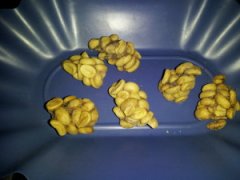
Introduction to the taste of famous Central American coffee
GuatemalaLaJoyaEstate-Antigua Gem Manor Coffee GuatemalaLaJoyaEstate Central American countries: Guatemala producing areas: Antigua flavor: Antigua Gem Manor, Antigua (Antigua) is a volcanic island located in the southwest of Guatemala, three volcanoes are located in which the island is rich in volcanic soil, coupled with low temperature, low humidity and adequate sun environment at night